Home Inspection
New Jersey Home Inspection Costs and Key Inspection Items
During the home-buying process, buyers face various expenses, including the down payment, attorney fees, appraisal fees, and closing costs. Because of these additional expenses, the cost of a home inspection may also feel burdensome.
However, a home inspection is not simply another expense. It is an important step in evaluating the property’s current condition, identifying problems that may not be easily visible, and estimating potential future repair costs.
Purchasing a home is one of the largest investments most people will ever make. Therefore, buyers should think carefully before skipping an inspection simply to save a few hundred dollars.
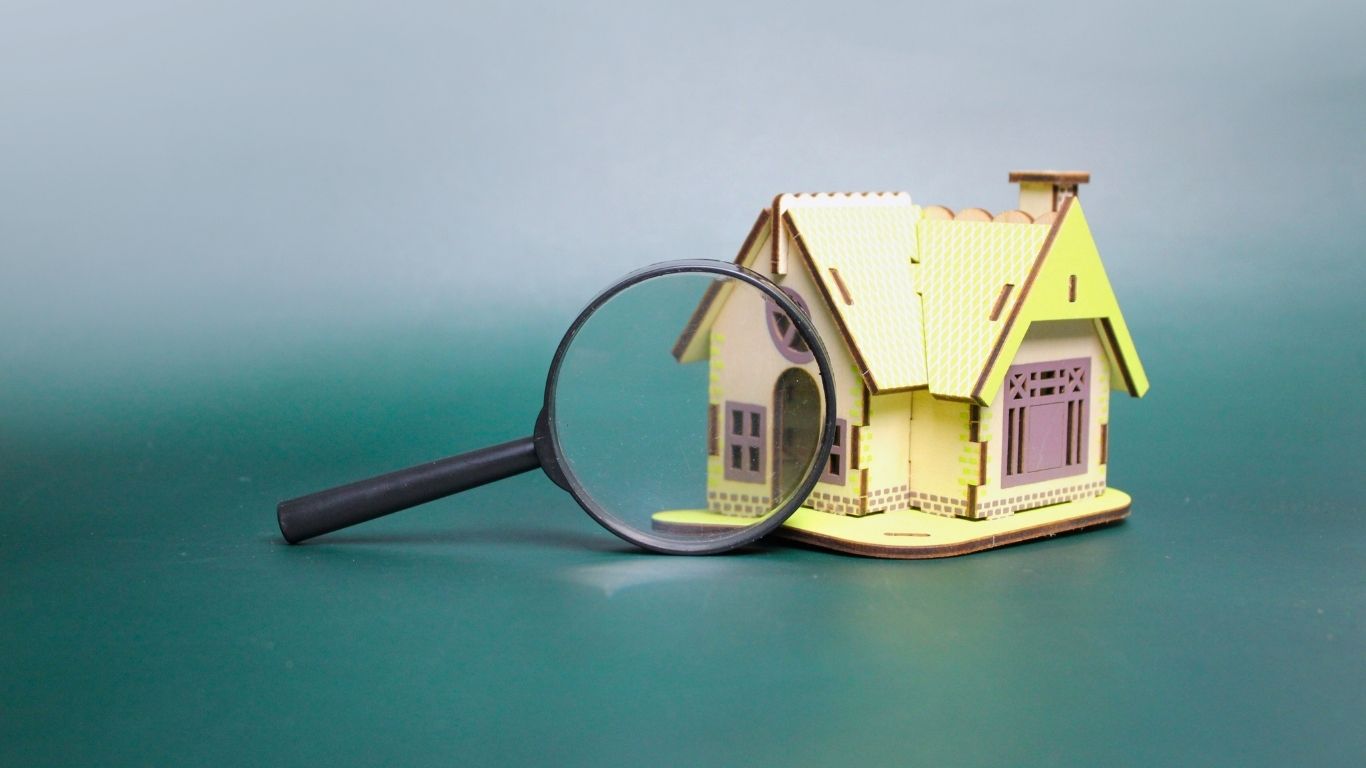
Why Is a Home Inspection Important in New Jersey?
During a showing, buyers usually focus on the home’s exterior appearance, interior design, and general layout. However, it is difficult for an average buyer to accurately evaluate the condition of the roof, foundation, electrical system, plumbing, and heating and cooling systems during a short visit.
A home inspection can help identify:
- The overall current condition of the property
- Major safety or structural defects
- Problems that require immediate repair
- Major systems or equipment that may need replacement in the near future
- Areas requiring further evaluation by a specialist
- Potential home maintenance and repair expenses
The Consumer Financial Protection Bureau (CFPB) also explains that making a purchase agreement contingent upon a satisfactory inspection may allow buyers to negotiate repairs or consider canceling the contract if significant defects are discovered. However, the buyer’s actual rights depend on the inspection provisions contained in the contract. CFPB Home Inspection Guide
How Much Does a Home Inspection Cost in New Jersey?
As of 2026, a typical home inspection in New Jersey may cost approximately $400 to $700. The cost may be lower for a small condominium and higher for a large single-family or multifamily property.
Because prices and included services vary by inspection company, it is advisable to compare estimates from at least two or three companies. Rather than choosing the least expensive inspector, buyers should also review the scope of the inspection, the quality of the report, and the inspector’s experience.
Factors That Affect the Cost of a Home Inspection
1. Size of the Property
The larger the property, the more space, systems, and equipment the inspector must examine. As a result, the inspection generally takes longer and costs more.
A condominium or small townhouse may cost less to inspect, while a single-family home larger than 2,500 square feet or a multifamily property may require an additional fee.
2. Age of the Property
Older homes may require a more detailed evaluation of the electrical wiring, plumbing, roof, foundation, and heating system.
In older New Jersey homes, buyers should pay particular attention to:
- Aging electrical panels and wiring
- Older water supply and sewer pipes
- Underground oil tanks
- Water intrusion and basement moisture
- The possible presence of asbestos or lead
- Older boilers and heating systems
- Signs of unpermitted additions or renovations
The older and more complex the property is, the longer the inspection may take and the higher the cost may be.
3. Type of Property
A single-family home generally requires a broader inspection than a condominium. In a condominium, the roof, exterior walls, and common systems may be the responsibility of the condominium association or HOA. However, the electrical, plumbing, HVAC systems, appliances, and other components inside the unit should still be inspected.
A multifamily property may cost more because the inspector must examine multiple units, kitchens, bathrooms, electrical panels, and heating systems.
4. Property Location and Travel Distance
An additional travel fee may apply if the property is located far from the inspection company’s office or is difficult to access.
Additional fees may also apply for inspections scheduled on short notice, weekends, or holidays.
5. Inspector’s Experience and Scope of Inspection
An experienced inspector or a company with specialized knowledge of structural, electrical, plumbing, and environmental issues may charge a higher fee.
Instead of comparing inspection fees alone, buyers should verify:
- Whether the inspector holds a valid New Jersey home inspector license
- Whether the inspector carries professional liability insurance
- The estimated length of the inspection
- How and when the inspection report will be delivered
- Whether photographs and videos are included
- Whether thermal imaging cameras and moisture meters will be used
- Whether the inspector will answer follow-up questions after the inspection
In New Jersey, home inspectors must meet applicable licensing requirements. Before hiring an inspector, buyers can verify the inspector’s license through the New Jersey Division of Consumer Affairs License Verification website.
What Is Included in a Standard Home Inspection?
The exact scope may vary depending on the inspection company and the condition of the property. However, a standard inspection generally includes a visual examination of accessible areas and components, such as:
- Roof and drainage systems
- Exterior walls, windows, and doors
- Foundation and structural components
- Basement and crawlspace
- Electrical panel, wiring, and outlets
- Water supply and drainage systems
- Water heater
- Boiler, furnace, and air-conditioning system
- Walls, ceilings, and floors
- Insulation and ventilation
- Stairs and railings
- Kitchen and bathroom fixtures
- Smoke and carbon monoxide detectors
- Visible signs of leaks and moisture
A home inspection is generally a visual, non-destructive examination. The inspector does not open walls or remove floors to examine concealed conditions, and the inspection does not guarantee that a system or component will not fail in the future.
Additional Inspections That May Require Separate Fees
The following services are not always included in a standard home inspection. Buyers should confirm what is included and ask about any additional fees before signing an inspection agreement.
Radon Testing
Radon is a naturally occurring radioactive gas that can enter a home from the soil. Because elevated radon levels may be found in certain areas of New Jersey, buyers should consider testing the property.
Termite Inspection
A termite inspection looks for signs of termite activity, other wood-destroying insects, and related damage. Buyers should be especially careful with older wood-frame homes and properties with moisture in the basement.
Oil Tank Inspection
Properties that previously used oil heating may still have an underground oil tank. If the tank has leaked, soil remediation can be extremely expensive. An oil tank sweep and a review of available records may therefore be important.
Sewer Line Camera Inspection
In older homes, the main sewer line may be affected by tree roots, broken pipes, settlement, or blockages. A sewer camera inspection is often not included in a standard home inspection and may require a separate specialist.
Mold and Moisture Testing
If signs of moisture or water intrusion are found in the basement, bathroom, or attic, buyers may wish to consider additional mold testing.
Septic System and Well Inspection
Properties that do not use public water or sewer service generally require separate inspections of the septic system, private well, and water quality.
Lead and Asbestos Testing
If potentially hazardous materials are suspected in an older home, additional testing by a qualified professional may be necessary.
What Can Buyers Do After the Inspection?
The discovery of a problem does not necessarily mean that the seller must repair every item. The buyer’s available options depend on the inspection provisions in the contract and the severity of the problems discovered.
Depending on the circumstances, a buyer may consider:
- Requesting repairs from the seller
- Requesting a credit toward anticipated repair costs
- Requesting an adjustment to the purchase price
- Requesting further evaluation by a qualified specialist
- Requiring repairs to be completed before closing and requesting receipts
- Considering cancellation of the contract if the parties cannot reach an agreement regarding significant defects
It is generally more practical to focus negotiations on structural, safety, environmental, water intrusion, and major system issues rather than normal wear and tear or cosmetic conditions.
Should Buyers Waive the Home Inspection?
In a multiple-offer situation, a seller may prefer an offer without an inspection contingency. However, if a buyer completely waives the inspection, the buyer may be responsible for defects and repair expenses discovered after the purchase.
To make an offer more competitive while reducing risk, buyers may consider:
- Conducting an inspection for informational purposes only
- Limiting negotiations to structural, environmental, and safety-related issues
- Agreeing not to request repairs below a specified dollar amount
- Shortening the inspection period
- Conducting a pre-offer inspection before submitting the offer
Each option may have different legal consequences. Buyers should consult their Realtor and real estate attorney before preparing the offer.
Conclusion
Home inspection costs in New Jersey vary depending on the property’s size, age, type, and the additional services requested. In most cases, buyers should budget several hundred dollars for a standard inspection.
Skipping the inspection to save money can lead to significantly greater expenses if problems involving the roof, foundation, plumbing, underground oil tank, or water intrusion are discovered after closing.
Buyers should look beyond the price and select an experienced, licensed New Jersey home inspector. They should also confirm exactly what is included in the standard inspection. The inspection report can provide valuable information for deciding whether to proceed with the purchase and planning for future repairs and maintenance.
This article provides general real estate information and is not intended as legal, environmental, engineering, or construction advice. Buyers should discuss inspection findings and contractual rights with their home inspector and real estate attorney.
Recent Post
 Norwood NJ 지역, 학교 가이드 18 9월 2026
 Westwood NJ 지역, 학교 가이드 17 9월 2026
- Westwood NJ 지역, 학교 가이드 17 9월 2026
 뉴저지 재산세 15 9월 2026
 Carlstadt 13 9월 2026
- Carlstadt NJ 지역, 학교 가이드 13 9월 2026