First, maintenance of amenities and common areas. The HOA is responsible for maintaining shared facilities and spaces such as swimming pools, tennis courts, fitness centers, landscaping, and other common areas.
Second, management and enforcement of rules and regulations. The HOA establishes and enforces rules related to living within the community. These may include architectural guidelines, landscaping requirements, parking policies, and other community standards.
Third, management of HOA fees. The HOA collects monthly, quarterly, or annual fees from homeowners. These funds are used to operate the community and maintain its shared facilities and common areas.
Fourth, dispute resolution. The HOA may help resolve disputes between neighbors or address violations of community rules. These matters are often handled through mediation or other resolution procedures to avoid litigation whenever possible.
HOA fees are generally determined by the HOA’s board of directors or its property management company. The board, which is typically composed of homeowners within the community, holds meetings and votes on the budget and fee amounts. HOA fees are usually reviewed and adjusted annually or periodically based on the community’s financial needs and operating budget.
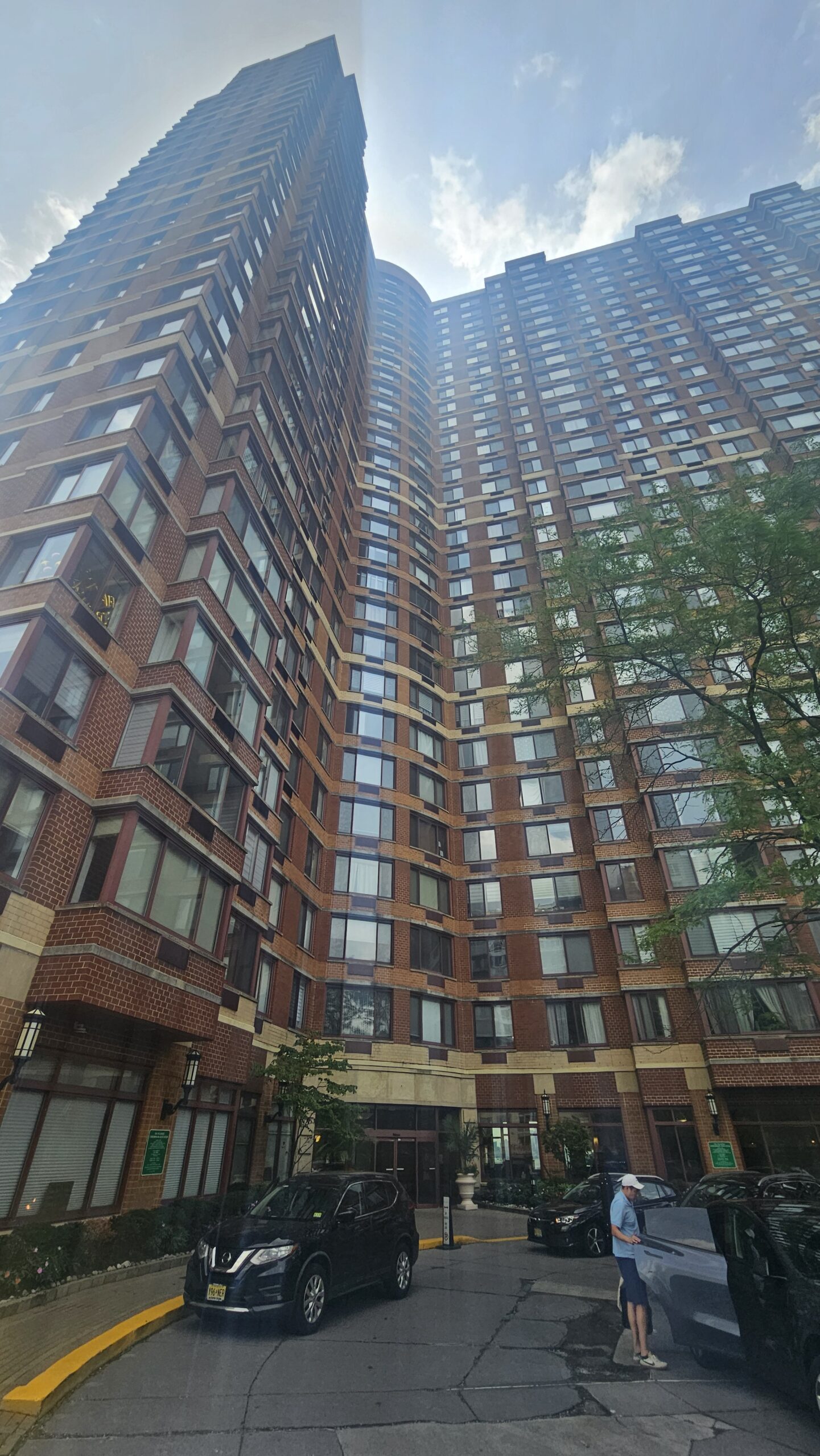
The amount of HOA fees may vary depending on the size, type, and location of each property. High-rise condominium buildings, in particular, may have higher fees because they generally require more extensive maintenance, staffing, security, utilities, and building operations.
If a homeowner fails to pay HOA fees, several consequences may follow.
First, the HOA may impose late fees, interest, or other penalties for overdue payments.
Second, the HOA may restrict the homeowner’s use of certain shared amenities, subject to the association’s governing documents and applicable laws.
Third, if the homeowner continues to leave the fees unpaid, the HOA may take legal action. This could include filing a lawsuit to collect the outstanding balance, placing a lien on the property, or pursuing other enforcement measures permitted by law.
Therefore, homeowners should pay their HOA fees on time and comply with the community’s rules and regulations.
Finally, if an HOA does not maintain an adequate reserve fund, a buyer may have difficulty obtaining mortgage financing when an owner sells the property. Lenders often review the HOA’s financial condition to determine whether the association is financially stable and whether the buyer is likely to face significant additional expenses.
If unexpected repairs or major maintenance projects arise and the HOA does not have sufficient reserves, it may need to impose a substantial special assessment or sharply increase its fees. These unexpected costs could create a significant financial burden for buyers and homeowners.
For this reason, a well-managed HOA with adequate reserves can serve as an important safeguard that helps maintain the community and protect property values over time.
 Norwood NJ 지역, 학교 가이드 18 9월 2026
 Westwood NJ 지역, 학교 가이드 17 9월 2026
 뉴저지 재산세 15 9월 2026
 Carlstadt 13 9월 2026