
A Practical Guide for Homebuyers in New Jersey
When searching for a home in the United States, buyers often come across the term HOA, short for Homeowners Association, in property listings. Many people understand that it usually means there is a mandatory monthly fee, but fewer know exactly what role an HOA plays and how it can affect everyday life after the purchase.
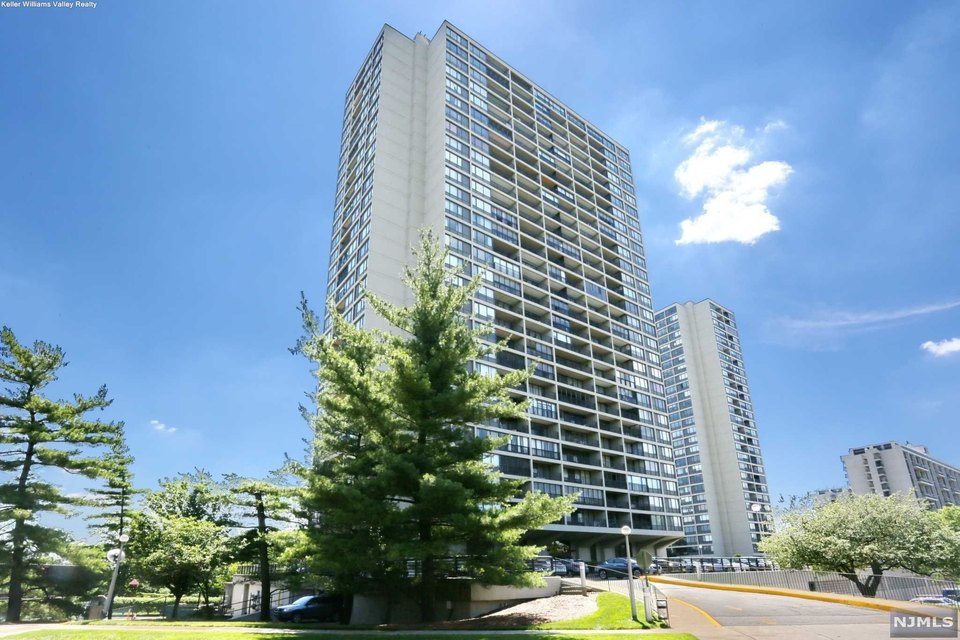
In New Jersey, this is especially relevant. Approximately 1.5 million residents live in more than 7,000 common-interest communities, including planned developments, condominiums, and cooperatives (co-ops). For buyers considering these types of properties, understanding HOA structure, rules, and responsibilities is essential.
What Is an HOA?
Under New Jersey administrative law, homeowners in common-interest communities share ownership of, and responsibility for, common areas such as roads, recreational facilities, and structural elements of buildings. In other words, ownership does not stop at the front door. Residents also share in the upkeep and financial support of the community’s common property.
According to Dawn Bauman, Chief Strategy Officer of the Community Associations Institute, an HOA allows residents to enjoy a higher level of community living at a reasonable cost by sharing ownership of amenities and common facilities.
Unlike services run directly by a municipality, these communities are generally managed by an HOA board made up of elected volunteer residents. Homeowners pay regular HOA dues to cover maintenance, operations, and reserve funds for future repairs.
How Does an HOA Operate?
An HOA is typically governed by an elected board of volunteer homeowners. This board oversees the community’s finances, arranges maintenance of common areas, and helps preserve the overall appearance and function of the neighborhood.
The board is also responsible for creating and enforcing community rules, often outlined in a governing document known as CC&Rs, or Covenants, Conditions, and Restrictions. These rules may regulate matters such as:
- Exterior appearance of homes
- Quiet hours and noise restrictions
- Pet policies
- Parking rules
- Use of shared facilities
While most HOAs share a common framework of rules, each community may adopt additional standards based on its own needs and priorities. In New Jersey, communities are generally expected to follow democratic procedures when updating existing rules or adopting new ones, allowing homeowner participation in the process.
Advantages of Living in an HOA Community
One of the biggest advantages of an HOA is that it helps maintain a clean, organized, and visually appealing community. Because standards are enforced consistently, neighborhoods often remain well-kept, which may support long-term property values.
Residents may also enjoy amenities such as swimming pools, recreation areas, green spaces, and clubhouses without having to manage them individually. For many homeowners, this provides convenience and a stronger sense of community.
In short, an HOA can offer:
- Well-maintained common areas
- Access to shared amenities
- Greater neighborhood consistency
- Potential support for property values
- A more organized community environment
Potential Drawbacks Buyers Should Consider
Despite these benefits, HOA living is not ideal for everyone. One common concern is the level of restriction. Even though you own the home, you may still be required to follow detailed rules regarding appearance, parking, pets, and other aspects of daily living.
Another important factor is cost. HOA dues are mandatory and can become a significant monthly expense. Buyers should understand exactly what the fee covers and whether special assessments could be imposed in the future for major repairs or unexpected costs.
There is also a structural concern in New Jersey: while there are legal guidelines regarding elections, meetings, and fiduciary duties, there is no dedicated state agency that actively oversees the day-to-day operation of HOAs. This can sometimes leave homeowners with limited recourse when disputes arise.
What Buyers Should Review Before Purchasing
Before buying a property with an HOA, it is important to look beyond the monthly fee and review the community’s governing and financial documents carefully. Buyers should pay attention to:
- The amount of the monthly HOA fee
- What services and maintenance are included
- The HOA’s financial health and reserve funds
- Rules on pets, parking, rentals, and renovations
- Pending special assessments
- The overall condition of common areas
- The history of disputes or management issues, if any
These details can have a direct impact not only on monthly expenses, but also on quality of life and future resale value.
Final Thoughts
An HOA is much more than just a monthly maintenance fee. It is a governing structure that influences how a community is maintained, how shared spaces are managed, and what rules homeowners must follow.
For some buyers, an HOA community offers convenience, amenities, and peace of mind. For others, the restrictions and added costs may feel burdensome. The key is to understand what you are buying into before signing a contract.
When purchasing a home in New Jersey, it is important to evaluate not only the property itself, but also the community structure behind it. A well-run HOA can add value and stability. A poorly managed one can create frustration and unexpected expense.
As always, informed buyers make better decisions.
About Richard Choi
Richard Choi is a Korean-speaking Realtor in New Jersey serving Palisades Park, Fort Lee, Englewood Cliffs, Leonia, Cliffside Park, and surrounding Bergen County communities. He helps buyers, sellers, investors, landlords, and tenants with residential, commercial, and business real estate.
Clients searching for a New Jersey Realtor, Bergen County Realtor, Palisades Park Realtor, Fort Lee Realtor, or Korean Realtor in New Jersey can count on Richard Choi for clear communication, local market knowledge, and practical guidance in both Korean and English.
Whether you are buying your first home, selling a property, relocating, investing, or trying to better understand the New Jersey real estate process, Richard Choi provides step-by-step support with professionalism and personal attention.
Richard Choi
New Jersey Realtor
Bergen County Korean Realtor
Palisades Park | Fort Lee | Englewood Cliffs | Leonia | Cliffside Park